getting sound files . . .
Tone Rules for High Class
Listen, think about the spelling, then refer to the tone rules below to find the correct rule.

ขับ


This exercise is reserved for website supporters
100s of users like you have supported us.
Read what they say
Tone Rules for High Class:
If no tone mark is present, then there are two tones possible:
Live Syllable = Rising Tone
Dead Syllable = Low Tone
With tone marks, three tones are possible:

low

falling
Stop Finals



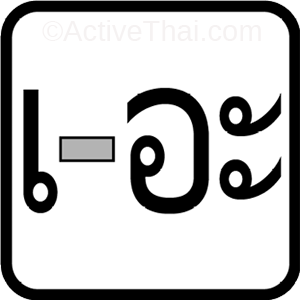
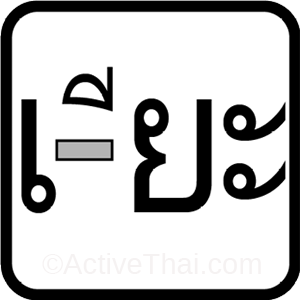
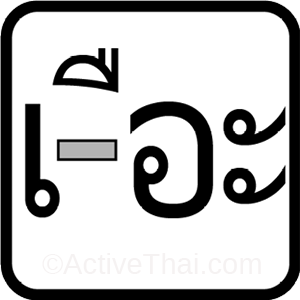
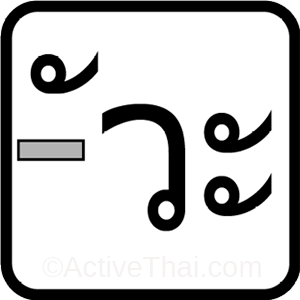
Short Vowels
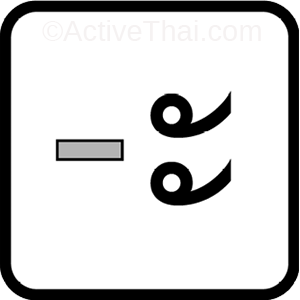
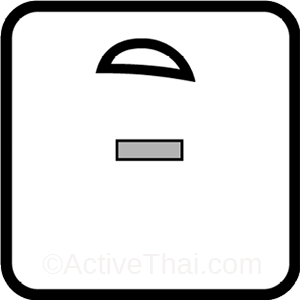
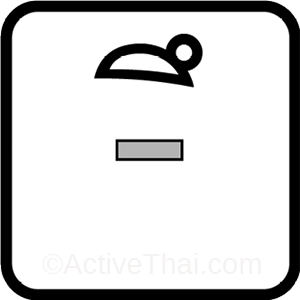
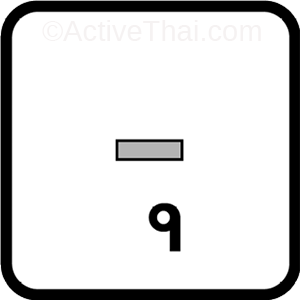
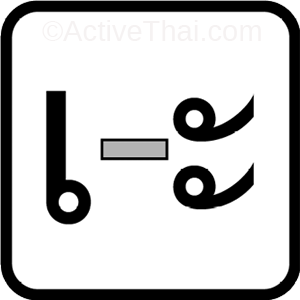
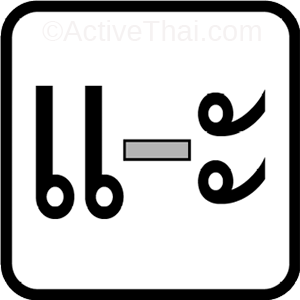
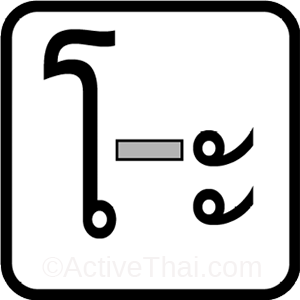
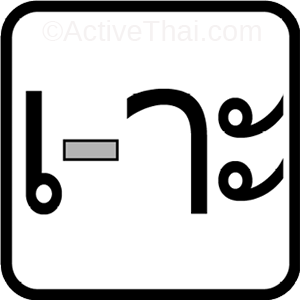
Sonorant Finals





Long Vowels
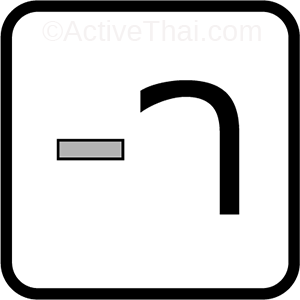
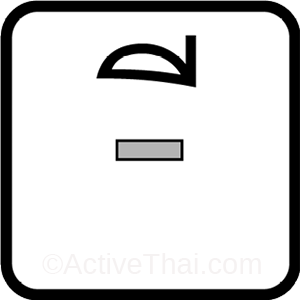
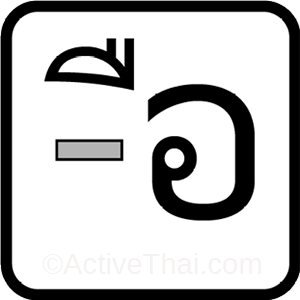
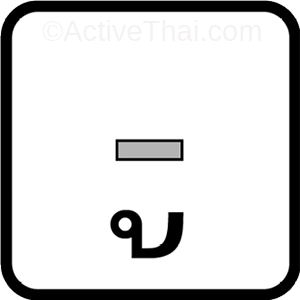
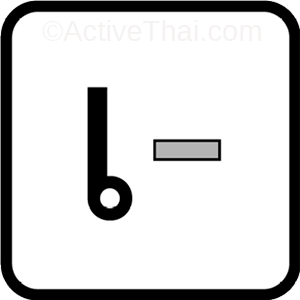
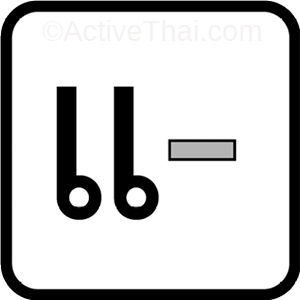
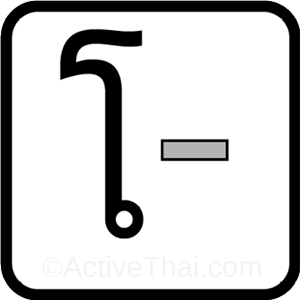
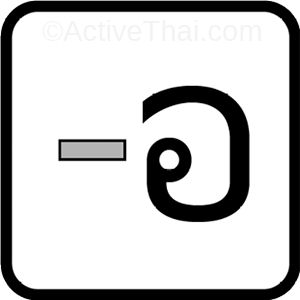
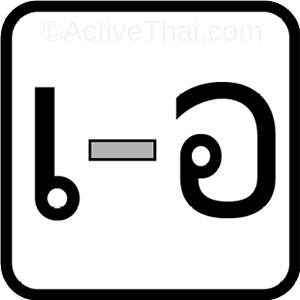
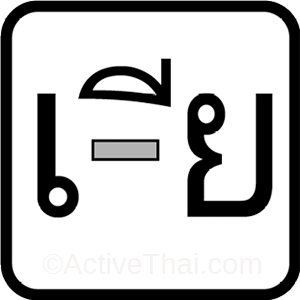
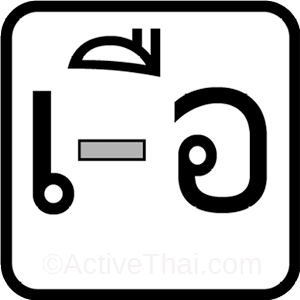
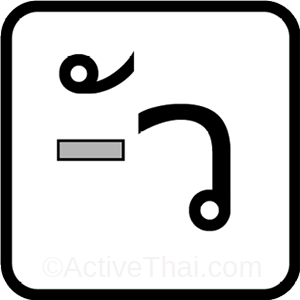
This exercise is reserved for website supporters
100s of users like you have supported us.
Read what they say
* Special Spellings
A silent ห can appear before the following eight low class consonants:
ง น ย ล ญ ม ร ว
When it does, the low class syllable takes on the rules of high class syllables. If a tone mark is used, it also follows the rule for high class, but the mark itself is placed of the low class consonant, not the silent ห.
Although the class of the initial consonant is officially considered low, in our lessons we will treat these words as high class syllables, since they follow the high class tone rules and it will be less confusing for you.
 Download Exercise Worksheet
Please Log in to download worksheets.
Lesson Navigation:
- Overview of the 44 Thai Consonants
- The Thai Middle Class Consonants
- The Thai High Class Consonants
- The Thai Low Class Consonants
- The Consonant Names in English
- The Consonant Names in Thai
- Match the Sound to the Consonant
- Thai Consonant Handwriting
- Thai Consonant Keyboard
- Consonant Names Test
- What Class is this Consonant
- Which Consonant is in this Class
- Middle Class Consonants Test
- High Class Consonants Test
- Low Class Consonants Test
- The 32 Thai Vowels
- 12 Short Vowel Sounds
- 12 Long Vowel Sounds
- 8 Special Vowel Symbols
- Compare Long & Short Vowels
- Long & Short Vowel - Part 1
- Long or Short Vowel - Part 2
- Long or Short Vowel - Part 3
- Thai Vowel Names - Part 1
- Thai Vowel Names - Part 2
- Thai Vowel Names - Part 3
- Listen and Write the Thai Vowels
- Listen and Type the Thai Vowels
- Test - The 14 Thai Short Vowels
- Test - The 18 Thai Long Vowels
- Test - Match Vowel Sound to Shape
- Complex Vowel Sounds
- The Thai Writing System
- Basic Thai Syllable - Short Sound
- Basic Thai Syllable - Long Sound
- The Thai Final Consonants
- Consonants in Final Position
- Consonants Never in Final Position
- Consonant Sounds Used
- Consonant Sounds not Used
- Select the Correct Final Sound
- Match a Sound to the Consonants
- Sonorant and Stop Finals
- Sonorant vs Stop Sounds
- Select the Final Sound Type
- Consonant+Vowel+Stop Final
- Consonant+Vowel+Sonorant Final
- Listen and Write Thai Syllables
- Listen and Read Thai Syllables
- Listen and Type Thai Syllables
- Seven Vowels That Change
- Practice the Seven Changing Vowels
- The Four Thai Tone Marks
- Live and Dead Syllables
- Middle Class, Live or Dead?
- Middle Class, Mid or Low Tone?
- Tone Rules for Middle Class
- High Class, Live or Dead?
- High Class, Rising or Low?
- Tone Rules for High Class
- Low Class, Live or Dead?
- Low Class - Mid, High or Falling?
- Tone Rules for Low Class
- Tone Rule Practice
- Tone Rule Test - Listen and Read
- Tone Rule Test - Read and Choose
- Hello, Good day!
- Dialog: Greeting someone.
- Vocabulary for This Lesson
- Overview of Spelling and Tone
- Practice Recognizing Words
- Practice Recognizing Spelling
- Practice Identifying Correct Tone
- Practice Word Meaning
- Practice Word Handwriting
- Practice Word Typing
- Study the Thai Dialog
- I am fine, you are fine
- Switching Personal Pronouns
- The Thai Question Particles
- Statements into Questions
- Responding in the Right Way
- Practice Responding
- Vocabulary Review
- Phrases You Should Know
- Practice The Thai Greeting
- Revisit the Dialog Recording
- How to Introduce Yourself
- Dialog: Introducing yourself
- Vocabulary for This Lesson
- Overview of Spelling and Tone
- Practice Recognizing Words
- Practice Recognizing Spelling
- Practice Identifying Correct Tone
- Practice Word Meaning
- Practice Word Handwriting
- Practice Word Typing
- Study the Thai Dialog
- About the Thai Question Words
- Asking and Answering
- Practice Switching Pronouns
- Yes and No Questions
- Practice Replying with Yes or No
- The Negative Response
- Practice Replying and Correcting
- Confirming Information
- Compare Question Formats
- Ways to Answer
- Questions About Other People
- ใช่ไหม - Questions About You
- หรือ เปล่า - Questions About You
- Vocabulary Review
- Practice Important Phrases
- Revisit the Dialog Recording
- Getting started with nouns
- This one, or That one
- Dialog: What is this?
- Vocabulary for This Lesson
- Overview of Spelling and Tone
- Practice Recognizing Words
- Practice Recognizing Spelling
- Practice Identifying Correct Tone
- Practice Word Meaning
- Practice Word Handwriting
- Practice Word Typing
- Study the Thai Dialog
- Listen and Identify Nouns
- Practice using นี่ , นั่น , and โน่น
- Questions using This and That
- Noun Questions with อะไร
- This and That Questions with ใช่ไหม
- Q and A using นี่ , นั่น , and โน่น
- Listen, Repeat, and Answer
- Revisiting the Lesson Dialog
- Reviewing Ways to Form Questions
- More Practice Questions
- Learning the name of things
- Asking What was Said
- Asking Someone to Repeat Something
- Dialog: What's this called?
- Vocabulary for This Lesson
- Thai Spelling and Tone
- Practice Recognizing Words
- Practice Recognizing Spelling
- Practice Identifying Correct Tone
- Practice Word Meaning
- Practice Word Handwriting
- Practice Thai Keyboard
- Study the Thai Dialog
- Statements & Questions with เรียกว่า
- What Something is Not Called - Using เรียกว่า
- Grammar Drill Using เรียกว่า
- Practice Questions with เรียกว่า
- Responding with a Correction
Application Settings:
Lesson Navigation:
- Overview of the 44 Thai Consonants
- The Thai Middle Class Consonants
- The Thai High Class Consonants
- The Thai Low Class Consonants
- The Consonant Names in English
- The Consonant Names in Thai
- Match the Sound to the Consonant
- Thai Consonant Handwriting
- Thai Consonant Keyboard
- Consonant Names Test
- What Class is this Consonant
- Which Consonant is in this Class
- Middle Class Consonants Test
- High Class Consonants Test
- Low Class Consonants Test
- The 32 Thai Vowels
- 12 Short Vowel Sounds
- 12 Long Vowel Sounds
- 8 Special Vowel Symbols
- Compare Long & Short Vowels
- Long & Short Vowel - Part 1
- Long or Short Vowel - Part 2
- Long or Short Vowel - Part 3
- Thai Vowel Names - Part 1
- Thai Vowel Names - Part 2
- Thai Vowel Names - Part 3
- Listen and Write the Thai Vowels
- Listen and Type the Thai Vowels
- Test - The 14 Thai Short Vowels
- Test - The 18 Thai Long Vowels
- Test - Match Vowel Sound to Shape
- Complex Vowel Sounds
- The Thai Writing System
- Basic Thai Syllable - Short Sound
- Basic Thai Syllable - Long Sound
- The Thai Final Consonants
- Consonants in Final Position
- Consonants Never in Final Position
- Consonant Sounds Used
- Consonant Sounds not Used
- Select the Correct Final Sound
- Match a Sound to the Consonants
- Sonorant and Stop Finals
- Sonorant vs Stop Sounds
- Select the Final Sound Type
- Consonant+Vowel+Stop Final
- Consonant+Vowel+Sonorant Final
- Listen and Write Thai Syllables
- Listen and Read Thai Syllables
- Listen and Type Thai Syllables
- Seven Vowels That Change
- Practice the Seven Changing Vowels
- The Four Thai Tone Marks
- Live and Dead Syllables
- Middle Class, Live or Dead?
- Middle Class, Mid or Low Tone?
- Tone Rules for Middle Class
- High Class, Live or Dead?
- High Class, Rising or Low?
- Tone Rules for High Class
- Low Class, Live or Dead?
- Low Class - Mid, High or Falling?
- Tone Rules for Low Class
- Tone Rule Practice
- Tone Rule Test - Listen and Read
- Tone Rule Test - Read and Choose
- Hello, Good day!
- Dialog: Greeting someone.
- Vocabulary for This Lesson
- Overview of Spelling and Tone
- Practice Recognizing Words
- Practice Recognizing Spelling
- Practice Identifying Correct Tone
- Practice Word Meaning
- Practice Word Handwriting
- Practice Word Typing
- Study the Thai Dialog
- I am fine, you are fine
- Switching Personal Pronouns
- The Thai Question Particles
- Statements into Questions
- Responding in the Right Way
- Practice Responding
- Vocabulary Review
- Phrases You Should Know
- Practice The Thai Greeting
- Revisit the Dialog Recording
- How to Introduce Yourself
- Dialog: Introducing yourself
- Vocabulary for This Lesson
- Overview of Spelling and Tone
- Practice Recognizing Words
- Practice Recognizing Spelling
- Practice Identifying Correct Tone
- Practice Word Meaning
- Practice Word Handwriting
- Practice Word Typing
- Study the Thai Dialog
- About the Thai Question Words
- Asking and Answering
- Practice Switching Pronouns
- Yes and No Questions
- Practice Replying with Yes or No
- The Negative Response
- Practice Replying and Correcting
- Confirming Information
- Compare Question Formats
- Ways to Answer
- Questions About Other People
- ใช่ไหม - Questions About You
- หรือ เปล่า - Questions About You
- Vocabulary Review
- Practice Important Phrases
- Revisit the Dialog Recording
- Getting started with nouns
- This one, or That one
- Dialog: What is this?
- Vocabulary for This Lesson
- Overview of Spelling and Tone
- Practice Recognizing Words
- Practice Recognizing Spelling
- Practice Identifying Correct Tone
- Practice Word Meaning
- Practice Word Handwriting
- Practice Word Typing
- Study the Thai Dialog
- Listen and Identify Nouns
- Practice using นี่ , นั่น , and โน่น
- Questions using This and That
- Noun Questions with อะไร
- This and That Questions with ใช่ไหม
- Q and A using นี่ , นั่น , and โน่น
- Listen, Repeat, and Answer
- Revisiting the Lesson Dialog
- Reviewing Ways to Form Questions
- More Practice Questions
- Learning the name of things
- Asking What was Said
- Asking Someone to Repeat Something
- Dialog: What's this called?
- Vocabulary for This Lesson
- Thai Spelling and Tone
- Practice Recognizing Words
- Practice Recognizing Spelling
- Practice Identifying Correct Tone
- Practice Word Meaning
- Practice Word Handwriting
- Practice Thai Keyboard
- Study the Thai Dialog
- Statements & Questions with เรียกว่า
- What Something is Not Called - Using เรียกว่า
- Grammar Drill Using เรียกว่า
- Practice Questions with เรียกว่า
- Responding with a Correction